Mar 2026 • Vaccines
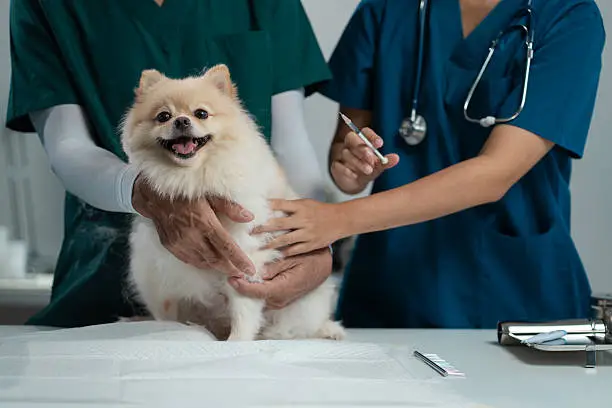
When I first brought my puppy home, the vet gave me a long vaccination schedule. At first glance it looked simple, but after a few weeks I realized something — remembering every vaccine date was harder than I expected.
Between work, errands, and daily life, it is easy for booster shots or appointments to sneak up on you. So I started learning more about how pet vaccination schedules actually work.
Vaccines protect pets from dangerous diseases that can spread quickly among animals.
For dogs, common vaccines include:
For cats, vets often recommend:
Most puppies begin their vaccines when they are about 6 to 8 weeks old.
First DHPP vaccine (distemper, hepatitis, parvovirus, parainfluenza)
Second DHPP booster
Final DHPP booster and rabies vaccine
After that, most vaccines move to yearly or multi-year booster schedules depending on your veterinarian's recommendation.
Kittens follow a similar timeline.
First FVRCP vaccine
Second FVRCP booster
Final FVRCP booster and rabies vaccine
Some cats may also receive a feline leukemia vaccine, especially if they spend time outdoors.
The hardest part is not understanding vaccines. It is keeping track of everything over time. Booster shots can be months apart, yearly, or on different schedules for each pet. If you have multiple pets, remembering all those dates becomes even harder.
Want the full timeline? See our complete Pet Vaccine Schedule Guide — puppy and kitten timelines, adult boosters, and why reminders make the difference.
Many pet parents solve this problem by keeping a digital record of their pet's health information — vaccination history, medication schedules, vet visits, and reminders for boosters. Having everything organized in one place removes a lot of the stress.
That is exactly why Pet Doc Pro was created — to help pet parents keep track of their pet's health records and reminders without relying on memory alone.
Vaccines are one of the most important parts of protecting your pet's health. Understanding the schedule is the first step. The second step is having a reliable system that helps you stay organized so your pet never misses an important booster.
Never miss a vaccine booster. Pet Doc Pro sends reminders before appointments are due. Try it free for 3 days.
Download Pet Doc Pro